
The Beauty of Deaf Culture: How the Upcoming Play, THE SOUND OF DOGS, Challenges Deaf Stereotypes
By Bhavna Patel
September 29, 2026

It was not too far back that the Western education system was forcing Deaf students to blend into a hearing world, often missing the mark with initiatives that prioritized fitting in over true integration. The upcoming Montreal theatre production THE SOUND OF DOGS is set to challenge centuries of systemic misunderstanding of Deaf culture, helping to normalize the lived experiences of Deaf people and the children of Deaf adults (CODA). The compelling story, written by playwright and CODA, Jennifer Roberts, and developed in close collaboration with multidisciplinary artist Pamela Witcher, who co-directed the play with Micheline Chevrier, celebrates the beauty and complexity of Deaf culture.
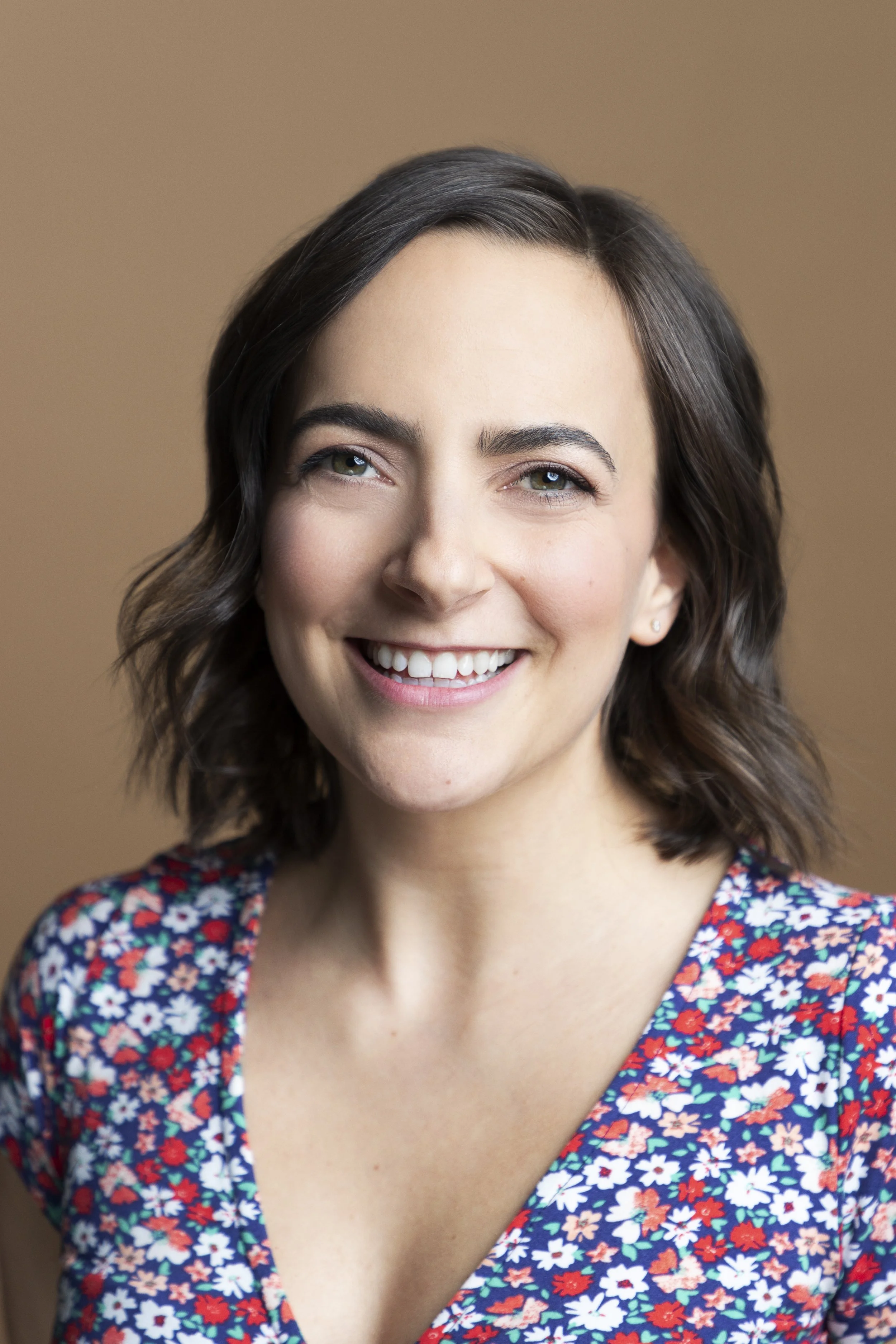
Playwright Jennifer Roberts
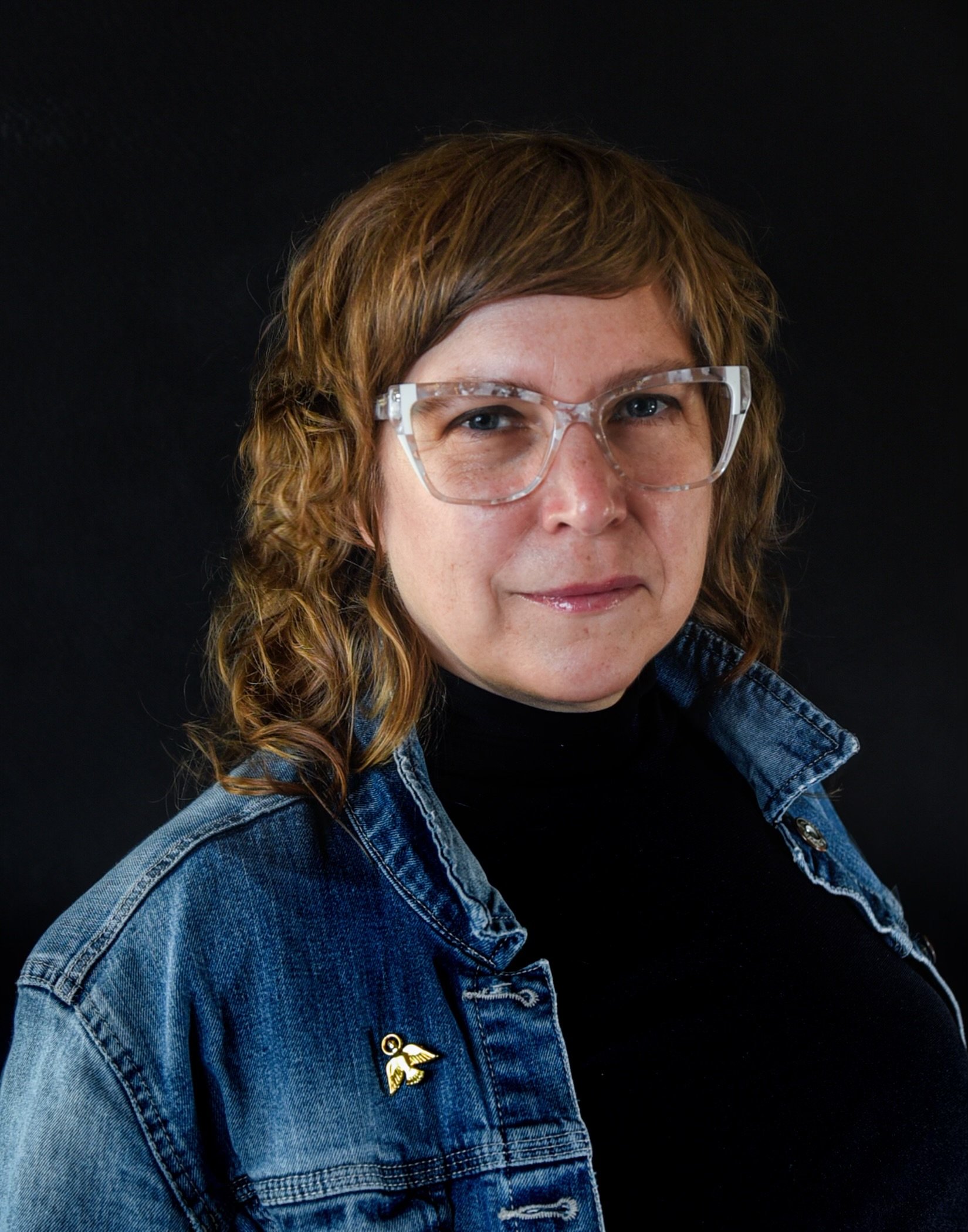
Co-director Pamela Witcher
The inception of THE SOUND OF DOGS traces back to an intimate discovery Roberts had made. Back in 2015, while sorting through her mother's old jewelry box, Roberts uncovered a large, clunky hearing aid dating back from the 1950s to 1960s that belonged to her mother. The discovery was surprising because Roberts’ parents, who are both Deaf, never used hearing technology in their daily lives—or so Jennifer had thought.
When asked about the artifact, her mother revealed a historical reality that would seem shocking today. “There was a time when sign language was banned in schools. So they were all mandated to wear hearing aids whether it helped them or not,” Roberts explains. Though we know it now to not be true, there was a growing fear at the time that sign language could reduce one’s ability to learn English, and so the oralism method was prioritized in schools. Instead of communicating through sign, students were taught to speak and lip-read.
Roberts recalls asking her father—a lifelong American Sign Language (ASL) user who never relied on lip-reading or his auditory voice—if the mandatory analog equipment ever actually helped him. His response gave the play its name: “Oh, I could hear a dog sometimes… I didn't know where the dog was, I just knew that there was a dog somewhere.” Roberts found this response absurd, because in reality, a dog will always exist somewhere out there in the universe.
Bringing the Absurd to the Stage
The play first began taking structural shape during the COVID-19 lockdowns. With theatres in the dark, Roberts applied for a research and creation grant to develop the concept alongside former Imago Theatre Artistic and Executive Director, Micheline Chevrier. Recognizing the theatrical power of the premise, Chevrier encouraged Jennifer to write down the stories, noting that simply presenting the unvarnished historical facts of enforced hearing aids creates an image so inherently absurd that it demands to be seen on stage.
Roberts then brought Pamela Witcher into the fold, citing a mutual artistic chemistry and a shared appreciation for what they affectionately call their "funny minds." Together, they researched the history of analog hearing devices—collaborating remotely to weave compelling storytelling with sharp humour that honours and celebrates Deaf culture.
“When people have all these questions about my parents being Deaf,” Roberts said, “I've always wondered, ‘Where did you learn that? Where did that come from? Why do you have these thoughts about my family?’” Roberts notes that while most people possess inherently good intentions, they have little control over the societal biases and cultural stereotypes they absorb growing up.
The Illusion of “The Fix"
Historically, society was operating under the rigid belief that if a Deaf child wore a device, they would magically begin to hear, lip-read, and speak. School policies prioritized the comfort of the hearing majority over the actual needs of Deaf children, forcing a form of assimilation that stripped individuals of their natural community ties.
The audience quickly gets drawn into the world of the main character, CODA, played by Roberts herself. Like Roberts, CODA is a hearing child of Deaf parents, who sees her life as normal despite being told repeatedly that it’s not. A primary, damaging stereotype that Deaf people continue to contend with is the medicalized assumption that hearing loss is a tragedy or a broken machine waiting to be "fixed" by technology. THE SOUND OF DOGS directly confronts this by highlighting the absurdity of forced oralism. Forced compliance did not grant accessibility for Deaf people; rather, it created an exhausting performance of hearing to appease an unforgiving societal structure.
Pamela Witcher, co-director of THE SOUND OF DOGS, notes that the current education system still has a long way to go in terms of nurturing Deaf people in the mainstream hearing schooling system. About 85% of Deaf children attend mainstream public schools in North America, which some believe is a positive step towards social integration. The reality is, however, that Deaf students in these institutions frequently face educational disparities and widespread social isolation compared to their hearing counterparts.
Witcher notes that sign language is an instinctual language that Deaf children will always organically develop when they are brought together. “Deaf people have developed a wide width of optical capacity as a part of a natural survival trait,” she said. “It's our natural language… when children are isolated, or are the only Deaf child in an environment, that language development can't happen.” Witcher argues that the mainstream schooling system is built on an audist framework; a systemic view that life is inherently better with the ability to hear.
She views the audist lens heavily manifesting through the normalization of hearing and speaking and the forced reliance on auditory-verbal speech therapy, like hearing aids, over visual communication. While these tools offer auditory access, their implementation often centers on a philosophy of Deaf erasure, all the while pocketing the industry experts who are helping to “fix things.”
Fear of ASL Decline
The production explores how technology has evolved drastically over the decades: shrinking room-sized switchboards, giant headphones, and modulating consoles down to sleek, digital Bluetooth earpieces and advanced bone-anchored surgical implants. However, Witcher emphasizes in the midst of her ongoing rehearsals, while the physical size of the technology has shrunk, the underlying societal pressures to appease the hearing community have largely remained the same. “There's a lot of concerns about our community,” Witcher said. “What's it gonna be like for the Deaf community going forward? What's gonna happen to ASL?”
Imago Theatre: A Space for Marginalized Voices
Co-produced by Imago Theatre and The Sound of Dogs Collective, THE SOUND OF DOGS weaves imagery from Roberts’ own lived experiences with generational storytelling to share a glimpse into her world, while urging audiences to dismantle their deep-seated societal biases against the Deaf community. Roberts hopes to re-center the conversation towards the rich culture, unique humor, and vibrant visual language that thrive within the Deaf community when they are allowed to communicate naturally.
THE SOUND OF DOGS will run from October 1st to the 10th at Centaur Theatre as their Brave New Looks selection for 26/27.
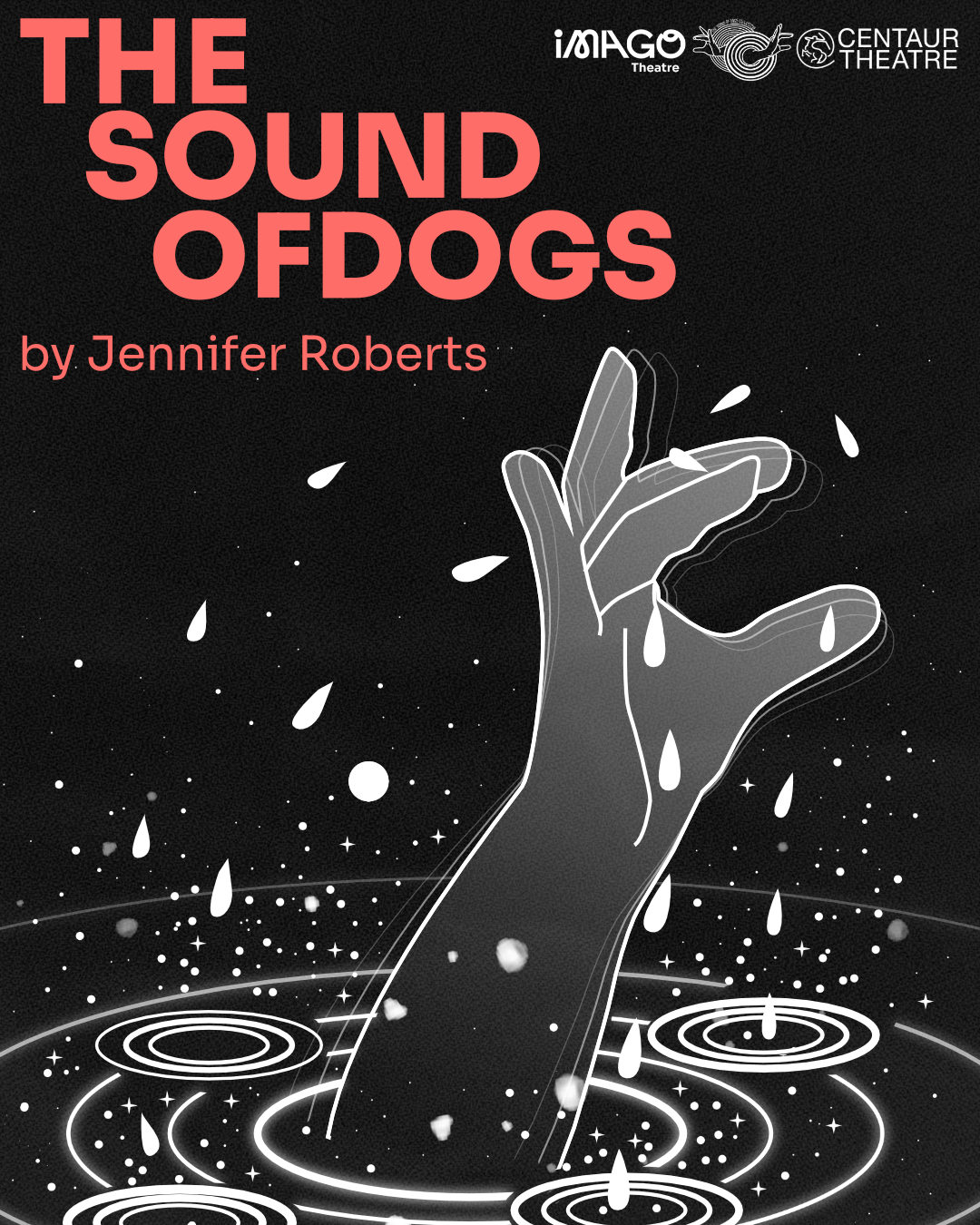
The Sound of Dogs
Co-produced by Imago Theatre and The Sound of Dogs Collective
October 1-10, 2026
At the Centaur Theatre